Our Products
Premium electrical equipment and power solutions for every need
Flat Drop Cable
10 products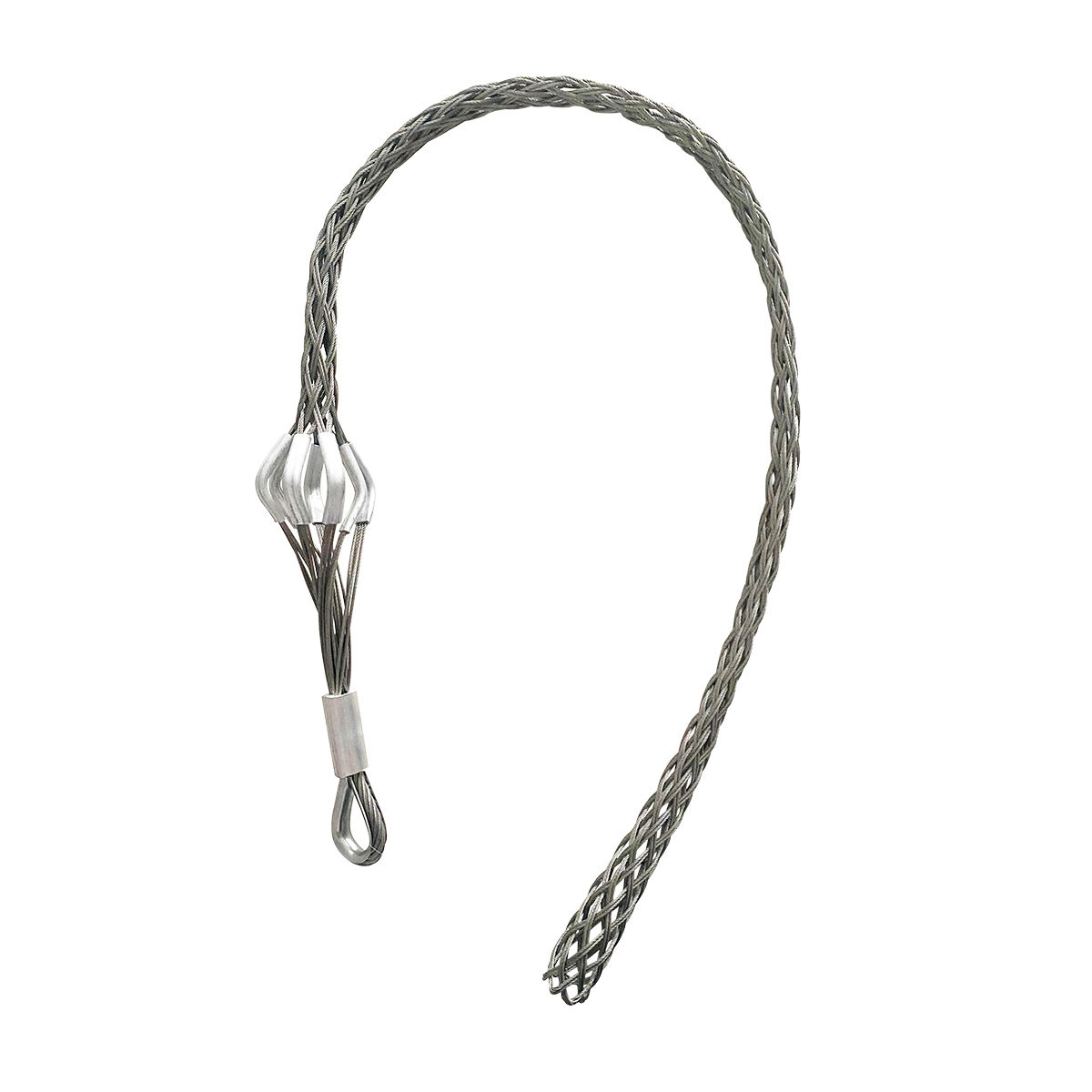
Stainless Steel Cable Pulling Grips
Overview A pulling grip is a woven steel mesh sleeve that goes over the end of the cable and connects it to the pull line. It is the part that actually holds the cable during a pull, and it works without clamps, bolts or a cable lug — the mesh tightens onto the jacket as the load comes on, and grips harder the harder it is pulled. That is the whole point of the design. There is nothing to torque up and nothing to damage the jacket or the conductor: the load is spread across the length of the mesh rather than concentrated at one point. The thin, flexible profile also passes through ducts and bends that a rigid pulling head cannot. Ours are woven from stainless steel. Corrosion resistance runs through the whole wire, so there is no coating to wear off — which matters on a tool whose working life is defined by abrasion. A coated mesh that has rubbed through its coating is a mesh that has started to rust, whether it is stored wet, used in a duct full of groundwater, or left in a marine atmosphere. Grips are reusable tools, sized to the cable’s outside diameter rather than to a nominal trade size, and supplied across the full range from small fibre drops to large power cable.
View Details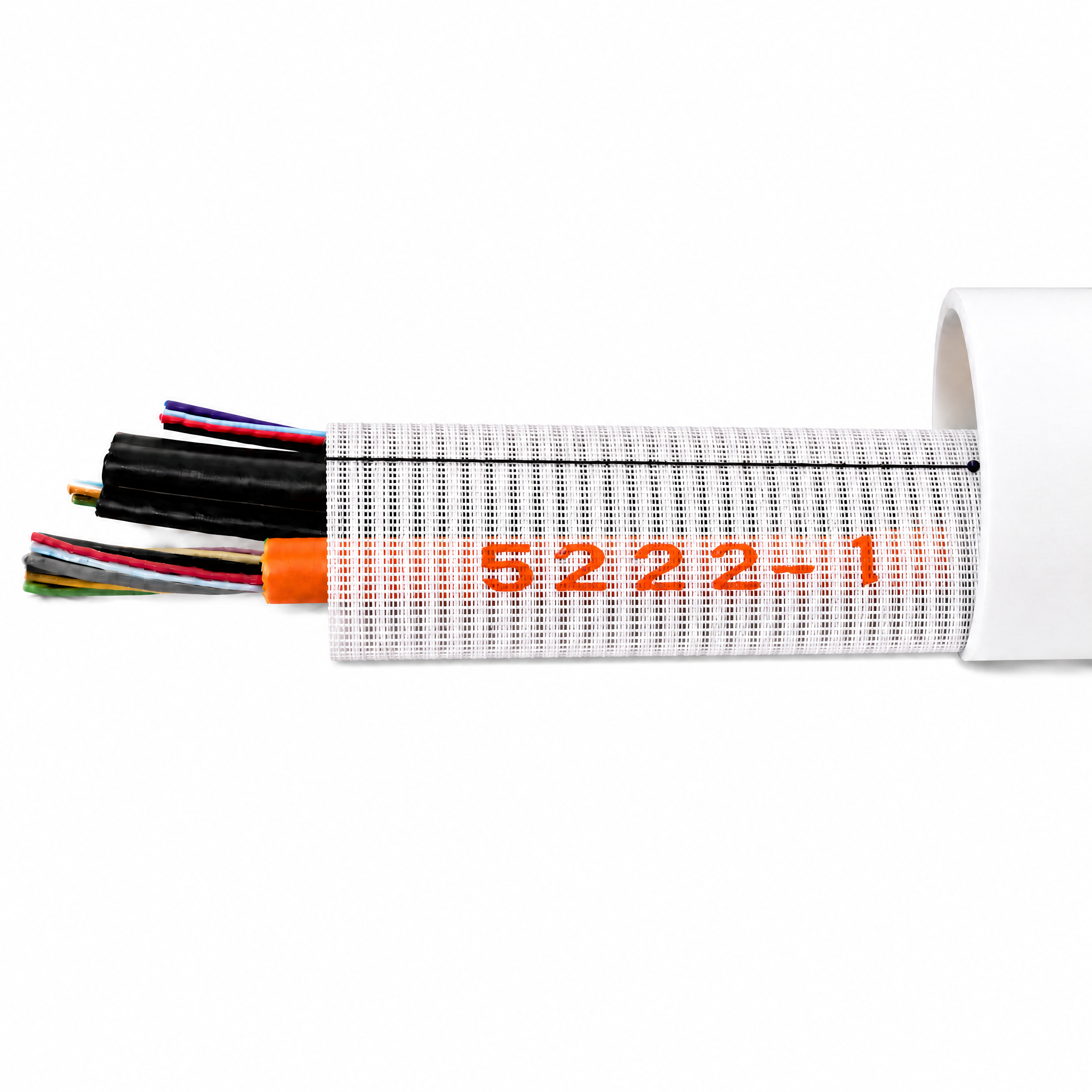
Custom OEM Fabric Innerduct
Overview Fabric innerduct is usually sold from a standard range: 1.25″ to 4″, one to four cells, a fixed reel length. Custom OEM work is for the projects that fall outside it — a cell diameter that is not in the catalogue, a cell count or colour scheme that has to match an existing network, a pull tape printed with the buyer’s own name and part numbers, or a reel length that suits a particular pulling programme. This page is for buyers who need the product made to their specification rather than selected from a list: distributors building their own brand, contractors matching an installation already in the ground, and network operators standardising one specification across several regions. Because woven innerduct is made on a loom rather than extruded, a change of width, cell count or cell colour is generally a setup change rather than new tooling — which is what makes made-to-order work practical at a sensible order size.
View Details
4-Cell Fabric Innerduct — Four Pathways for High-Density Backbone & Trunk
Description: Running out of room in an occupied conduit? Digging a new route means weeks of permits, disruption and cost. The 4-Cell Fabric Innerduct installs four independent, color-coded pulling pathways inside the conduit you already have — recovering up to 80% fill ratio without new trenching. Its split-tube PET + Nylon 6 construction folds flat for pulling, then opens to conform around each cable, so wasted space in rigid innerduct becomes usable capacity. Every cell carries a pre-installed, color-coded pull tape and the fabric is meter-marked, so crews plan cuts and identify pathways without guesswork. Built for backbone and trunk fiber routes, it holds a 215°C melt point, about 1/7 the thermal expansion of HDPE, and a 30–50 year buried design life. Available in Standard, Plenum, Riser and Detectable versions. Send your conduit ID and cable ODs and we will confirm the configuration for free.
View Details
3-Cell Fabric Innerduct — The Workhorse for FTTH & OSP Conduit Capacity
Description: When one conduit has to carry multiple fiber routes, the 3-Cell Fabric Innerduct is the workhorse. It divides an existing conduit into three dedicated, color-coded pathways, letting engineers, contractors and providers run multiple cables with clean segregation while recovering the conduit capacity rigid innerduct wastes. As a cost-effective alternative to MaxCell, it delivers the same multi-cell textile benefits — up to 80% fill ratio, lower pulling tension and faster installation — at a competitive price point. Each cell carries a pre-installed pull tape (color-coded from 2 cells up) and the fabric is meter-marked at the factory, so crews measure, cut and identify pathways without guesswork. The PET + Nylon 6 construction holds a 215°C melt point, about 1/7 the thermal expansion of HDPE, and a 30–50 year buried design life. Available in Standard, Riser, Plenum and Detectable versions. Send your conduit ID and cable ODs and we will confirm the right size for free.
View Details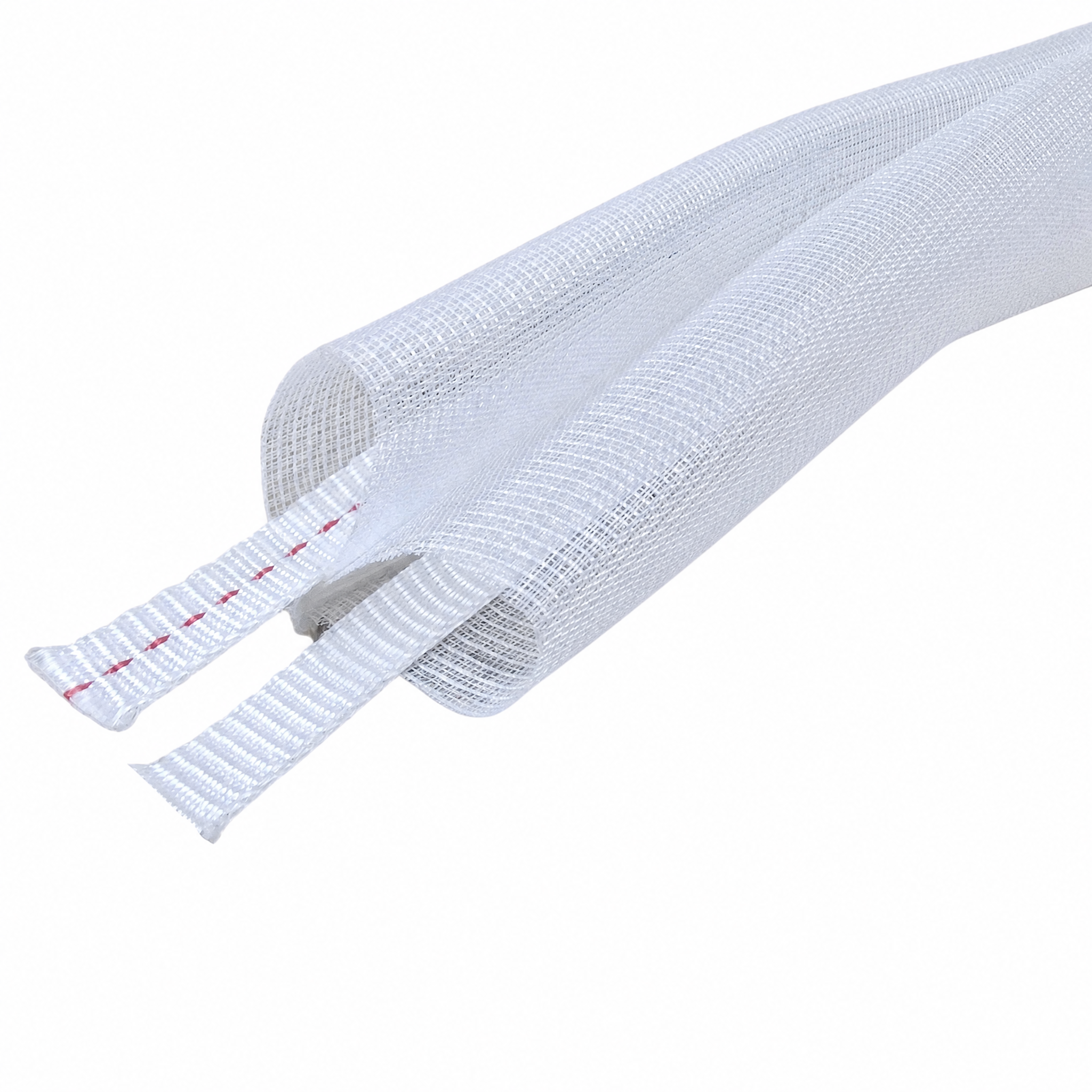
2-Cell Fabric Innerduct — Two Color-Coded Pathways Inside One Conduit
Description: Two cable routes, one conduit, no new trenching. The 2-Cell Fabric Innerduct provides two independent longitudinal pathways inside a single existing conduit, so you can segregate two fiber routes cleanly without digging. Its flexible woven textile design conforms to the shape of installed cables, recovering the space rigid innerduct wastes and lowering overall pull tension during installation. Both cells carry a pre-installed, color-coded pull tape, so crews identify each pathway at a glance during install and maintenance. The PET + Nylon 6 fabric resists abrasion, moisture and UV for a 30–50 year buried design life — roughly double HDPE subduct. Available in Standard, Riser, Plenum and Detectable versions. Send your conduit ID and cable ODs and we will confirm the configuration for free.
View Details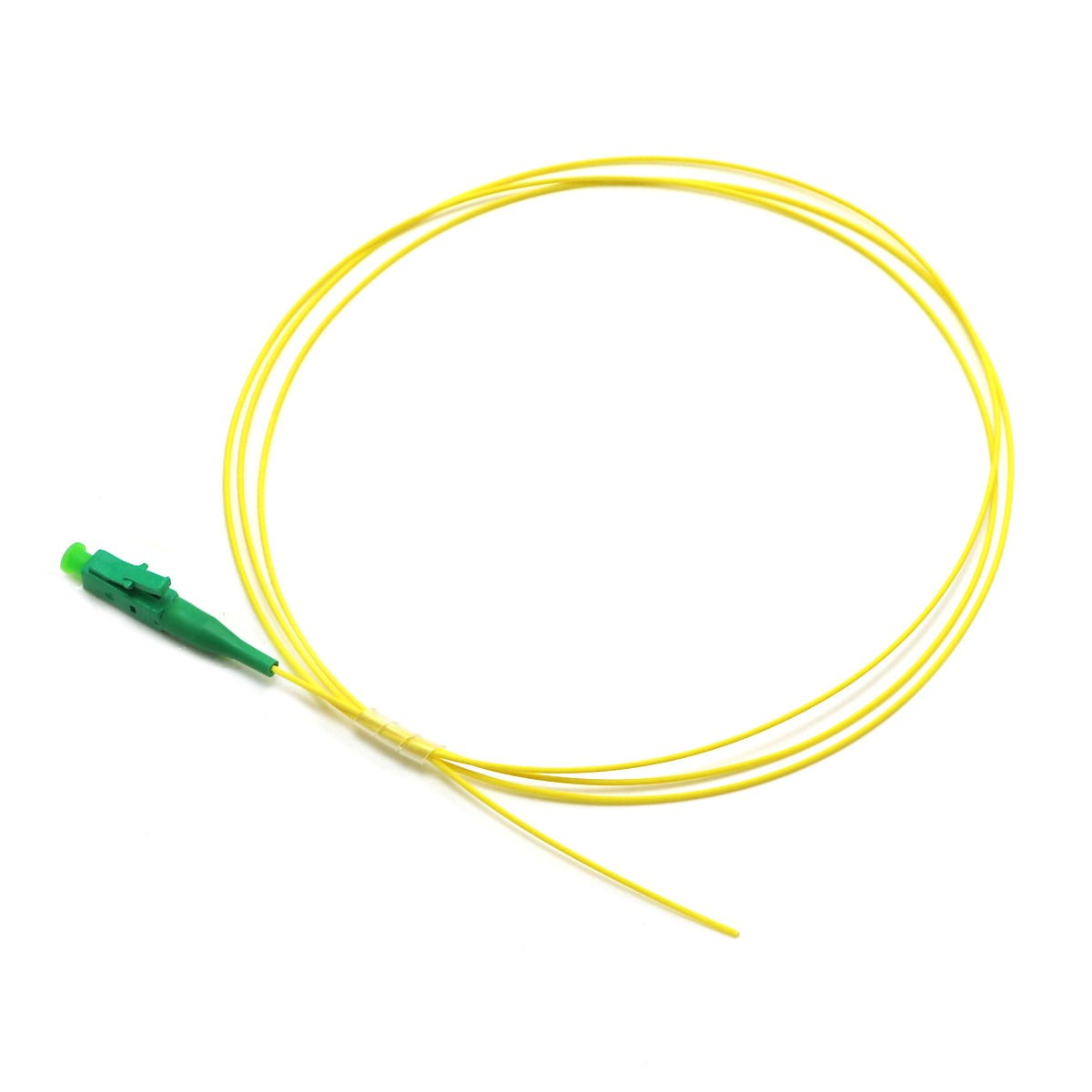
Pigtail & Patch Cord
Overview The first thing to settle on this page is which of the two assemblies is being discussed, because in the market the two names are used loosely and they are not interchangeable. A pigtail is a single fibre with a connector on one end and bare fibre on the other. It is spliced onto the cable, and its purpose is to turn a cable into a connector — the joint is made inside a box, and what comes out of the box is something that can be plugged in. A patch cord has a connector on both ends. Nothing is spliced; it plugs into something at each end. It is the assembly that joins two pieces of equipment that have already been terminated, and it is expected to be removed and replaced during the life of the network. The consequence of confusing them is practical. Order a patch cord for a job that needs a pigtail and you are splicing into a connector you have already paid to fit; order a pigtail for a job that needs a patch cord and you have nothing to plug in. Most of the questions this page receives are really this one question, so it is answered first. Both assemblies come down to the same thing in the end: a fibre, a ferrule, and the quality of the contact between them. The connector is where an optical network is most likely to lose signal or to reflect it back, so the connector — not the cable — is what the specification is really about.
View Details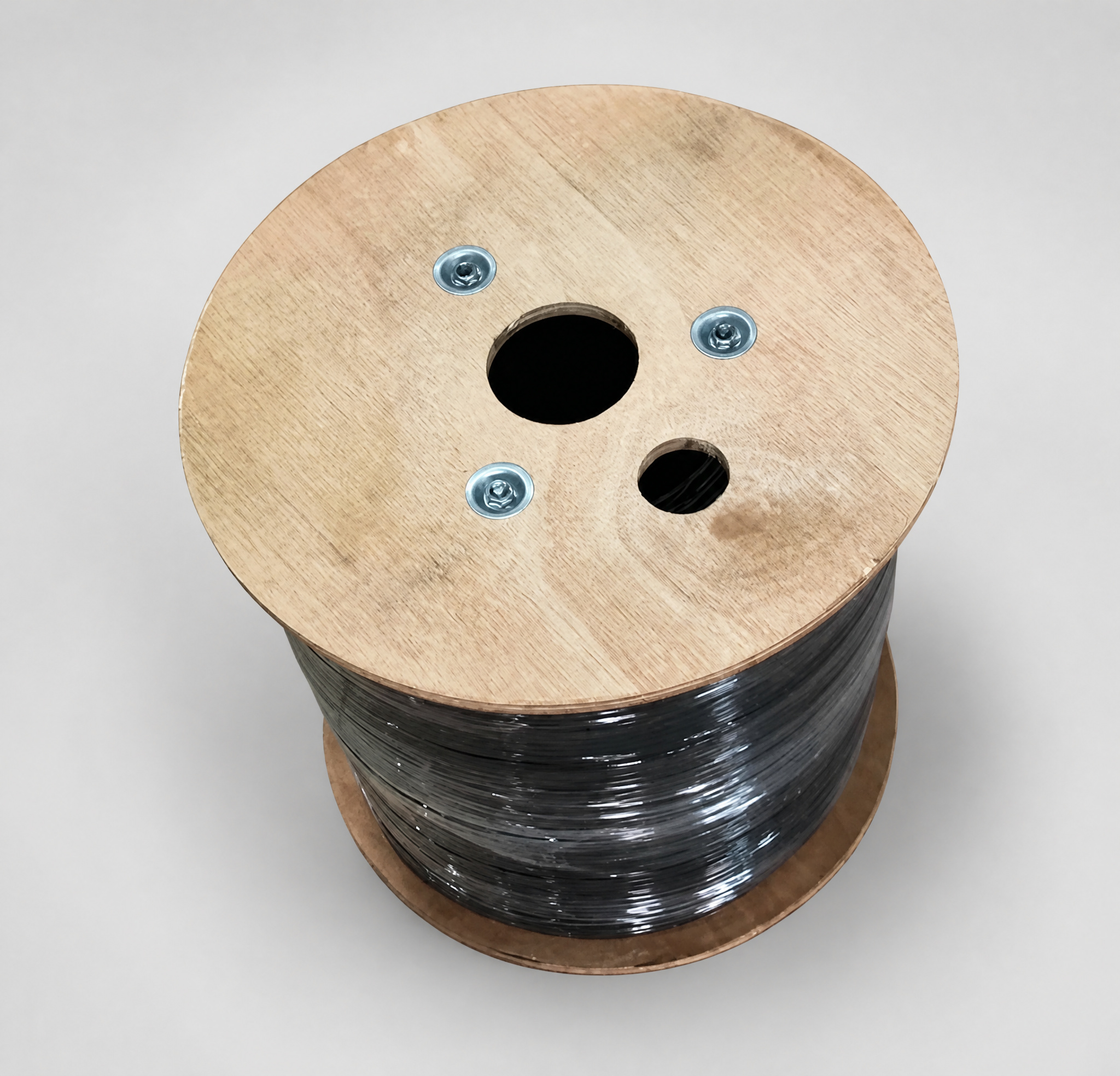
Flat Drop Cable
Overview Flat drop cable is the last-mile fibre cable. It runs from the distribution point or access terminal to the subscriber’s premises, and it is the cable an installer handles most often. It is a flat, compact construction with two parallel strength members running down each side and the optical fibre held between them. The flat profile is the point: thin enough to run along a wall, behind a panel or through a tight conduit, with the strength members on both sides of the fibre rather than wrapped around it — so the cable resists crushing and pulling without becoming bulky. Bend-insensitive fibre lets it turn the tight corners that real subscriber routes have, and the dry construction means there is no gel to clean out at the splice point.
View Details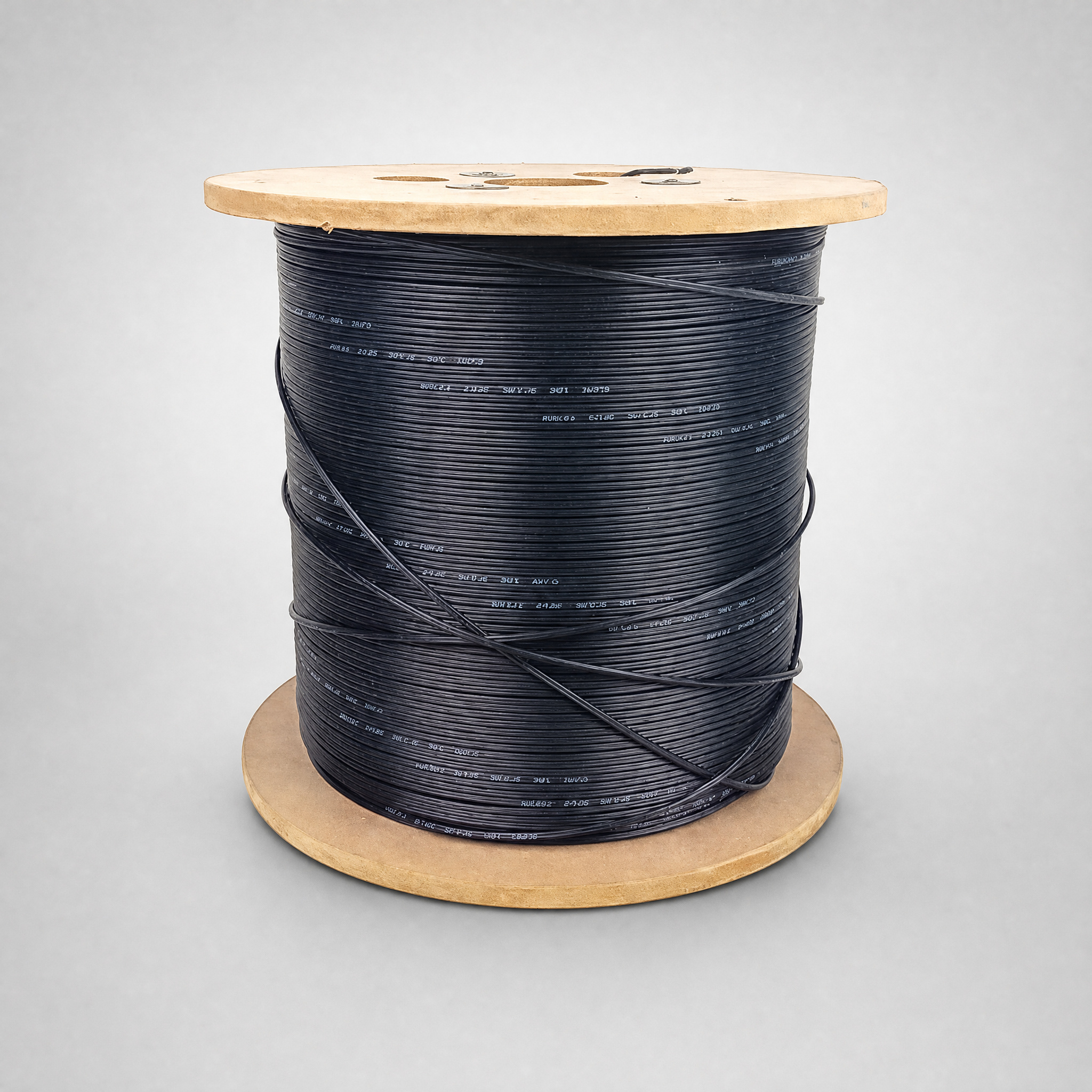
Flat Drop Cable
Overview A flat drop cable is the last leg of an FTTH network — the cable that runs from the distribution point to the subscriber’s premises. Almost everything else in the network is built for capacity and distance. This cable is built for the opposite problem: getting a fibre into a building, along whatever route the building happens to offer, without the installer fighting the cable. It is flat rather than round. The fibre sits at the centre of a slim rectangular jacket, with strength members embedded either side of it. That construction is what makes the cable practical in the last few hundred metres: it is thin enough to be clipped, stapled or pushed through a duct, and it follows the contours of a wall or a facade instead of insisting on a straight run. Because the strength members sit outside the fibre, the tensile load of the pull and the tension of an aerial span are carried by the jacket — not by the fibre. The four versions below cover the routes that actually come up in last-mile work: a flat run through duct, an aerial span, a buried run that will have to be found again later, and a connection that has to be made quickly.
View DetailsDrop Cable Clamps & Hooks
Overview A drop wire clamp is not just a small component-it holds the last mile together. In aerial fibre networks the cables are subject to wind, ice and ultraviolet rays. Here is where a good clamp comes in: without it, sagging and twisting or fibre breaks are inevitable. These fittings hold up the fibre optic drop cables to poles, walls, facades or messenger wires under extreme environmental pressures as well as tensile loads. Aerial drop wire clamps: Form and function The design is simple: a clamp body, a wedge or jaw, a bail or hook. The cable lies in a groove and the wedge exerts pressure without crushing the fibre. The materials vary: stainless steel, galvanised steel, or UV stable polymer, all resisting corrosion and heat. The forces act on the surfaces of the grooves, to eliminate micro-bending. Technical note: a well made drop wire clamp will allow a mechanical pull of approximately 60 kg , which is more than enough for the usual aerial FTTH spans. The important thing is the spacing: if it is set close to a connector it can cause micro-bending; if it is too slack, it allows for sagging.
View Details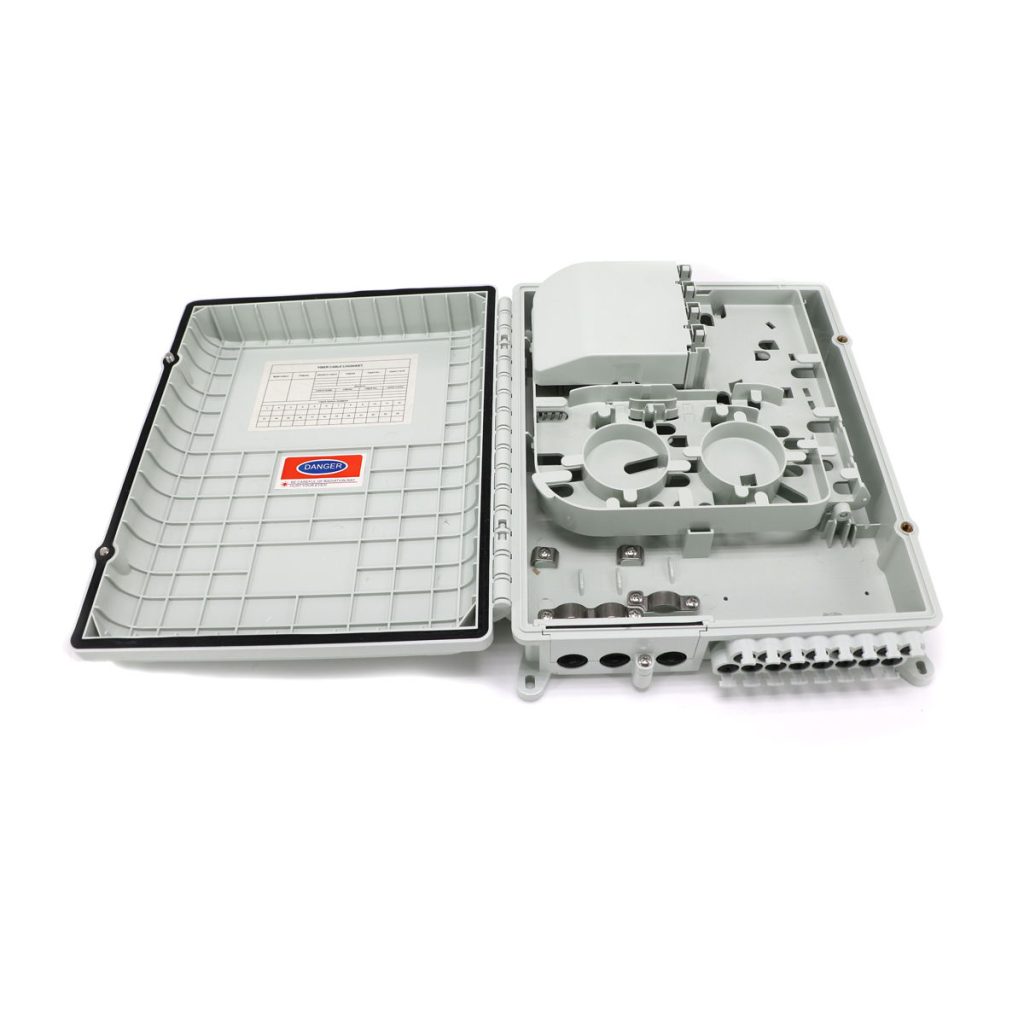
16 Ports Fiber Termination Box, Wall Mount Outdoor Enclosure
Overview The 16 Ports Fiber Termination Box supports the splicing and termination of up to 8 fibers and can accommodate a 1×16 PLC splitter for distribution to 16 drop cables. Designed for wall-mounted installations, this box is ideal for both residential and commercial FTTH deployments. Its waterproof IP65-rated design ensures superior performance even in harsh outdoor conditions. This compact and versatile unit supports SC/LC/FC connectors and is engineered to deliver clean fiber organization, reduce signal loss, and provide long-term service reliability.
View Details